Home

Room for talent at every stage of life

There is no standard path for talent. A qualification does not tell the whole story about what you can do, different generations bring different experiences, and sometimes caring responsibilities alongside work require extra flexibility. We explored how people in the Netherlands view these issues and what they need to stay healthy and enjoy their working lives.

An older colleague and a younger colleague looking at a laptop together

Our differences make us stronger

At Conclusion, we believe that differences between people make organisations stronger. Differences in background and experience, but also in talent, stage of life, ambitions and responsibilities outside work.

That is what Celebrate differences, create together is all about. Valuing our differences and exploring together what is possible. But what do people actually need to make the most of their talent and keep developing? How do they view qualifications and skills? What do they expect from their employer when work and caring responsibilities come together? And what does it take to stay healthy and enjoy a long career?

To gain a better understanding, Conclusion commissioned a survey of 1,030 people in the Netherlands aged 16 to 70+ in August 2026. The results highlight three topics that may seem quite different at first, but to us they are all about the same thing: having the space to make the most of your talent, at every stage of life.

1. Focus on what someone can do

92% believe employers should focus more on skills and potential for growth

A CV tells you where someone has worked. A qualification tells you what they studied. But neither tells the whole story about what someone can do.

92% of the people surveyed believe employers should hire more often based on skills and potential for growth. 34% say they have been turned down for a job because they did not have the right qualifications, even though they felt they had the skills required.

This calls for a broader perspective on talent. Looking not only at the education someone once chose or the job titles listed on their CV, but also at their skills, experience, motivation and ability to keep developing.

Looking beyond the perfect CV

In her opinion piece for Computable, Ruth Bakels highlights how much talent employers overlook by focusing primarily on qualifications and work experience. Skills-based hiring, by contrast, focuses on the skills and capabilities a person brings to the role.
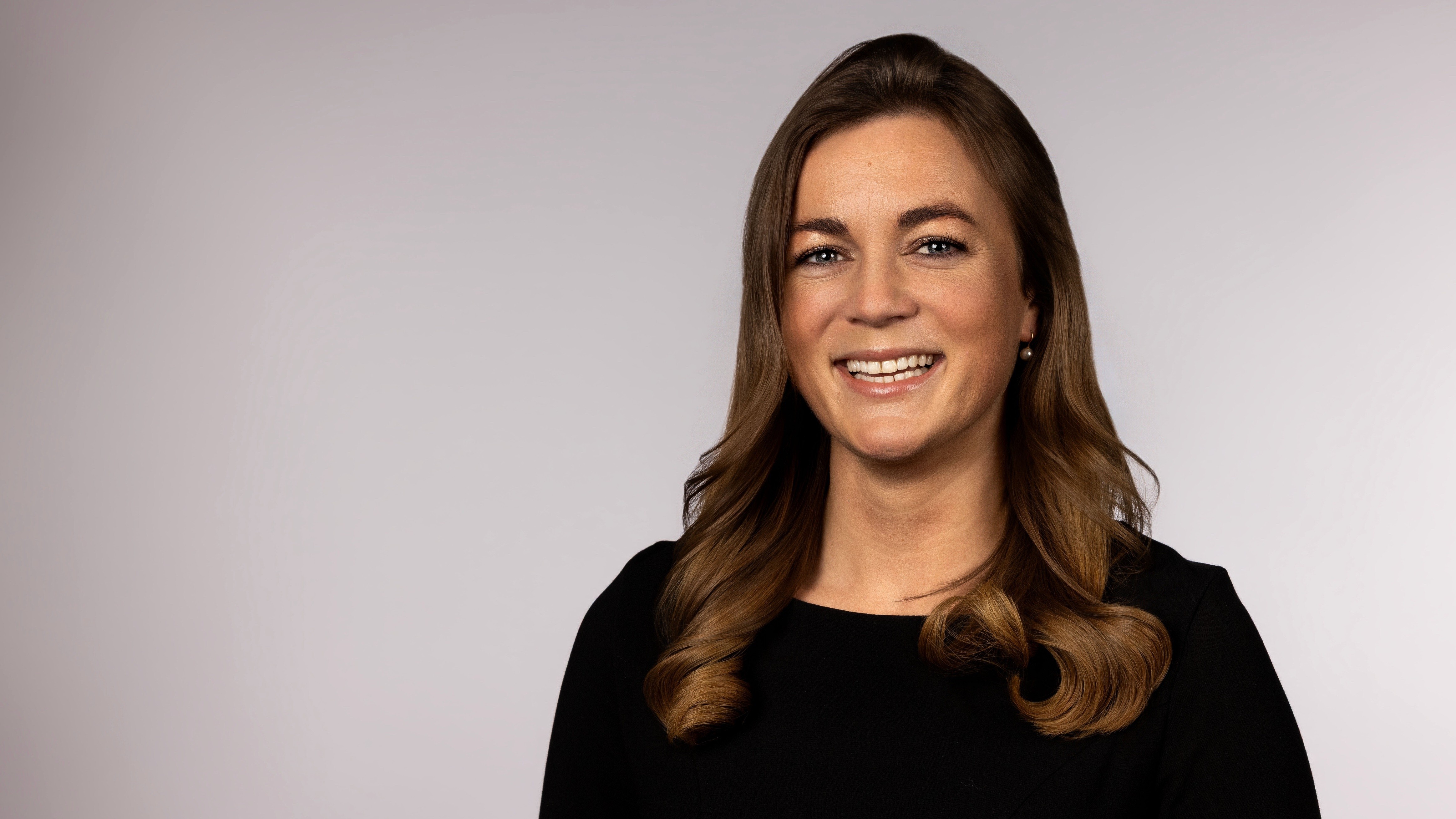
Ruth Bakels, Recruitment and HR manager

2. Make room for life outside work

89% fear employers will lose people if they do not provide enough flexibility for caring responsibilities

A career does not exist separately from the rest of your life. Sometimes, what happens at home suddenly requires a great deal of your attention. For example, when a parent, partner, child or someone else close to you needs care.

89% of respondents expect employers could lose good employees if they do not provide enough flexibility to combine work with caring responsibilities. Among women aged 40 to 49, this figure rises to almost 96%.

Caring responsibilities are not always visible either. People often try to balance work and care without their colleagues necessarily knowing what is happening at home.

3. Start thinking earlier about a long, healthy career

79% believe employers should start thinking along with employees from their thirties onwards

The question of how to reach retirement in good health does not begin when you turn sixty. A career often spans several decades. During that time, your work, ambitions, personal circumstances and what you need physically and mentally all change.

The survey shows that 79% believe employers should start thinking along with employees from their thirties onwards about how they can balance work and life in a healthy way all the way through to retirement. 63% are concerned about whether they will be able to continue working in good health.

For us, there is an important idea behind this: a sustainable career does not happen by itself. It helps to regularly reflect throughout your career on your development, your capacity, your ambitions and what you need to keep enjoying your work.

Keep learning from each other

A long career also means that different generations work alongside and with one another. Beau de Graaf and Maarten Plokker show just how valuable that can be: they differ in age and experience, but focus above all on what they can learn from each other and how their strengths complement one another.

Maarten en Beau 240x160

One survey, one central idea

Skills. Caring responsibilities. Staying healthy throughout your working life. They are different topics, but for us they come together in the same question: do we focus primarily on how someone fits into the system, or do we create room for what they can do and what they need?

Celebrate differences, create together therefore means more to us than simply recognising differences. It also means making room for different talents, experiences, career paths and stages of life.

Not by promising that everything is possible in every situation, but by looking beyond the standard path and talking openly with one another about what is possible. Because when different people have the space to use their talents, we can create more together.

About the survey

The survey was conducted by Factsnapp on behalf of Conclusion and involved 1,030 people in the Netherlands aged 16 to 70+. It was carried out in August 2026.

The questions covered topics including working longer and staying healthy, combining work and personal life, the position and development of older employees, skills and potential for growth, and the role of qualifications and work experience.