Back to blog overview
OneShore

International talent is about more than cutting costs

  • 4 February 2026
Deploying international IT talent is at the heart of OneShore, Conclusion’s near‑ and offshoring service offering with locations in Portugal and South Africa. And it is about far more than simply adding extra capacity or reducing costs. “We follow a clear philosophy and never rush into anything,” says Dennis Bruijns, Director of Conclusion OneShore.
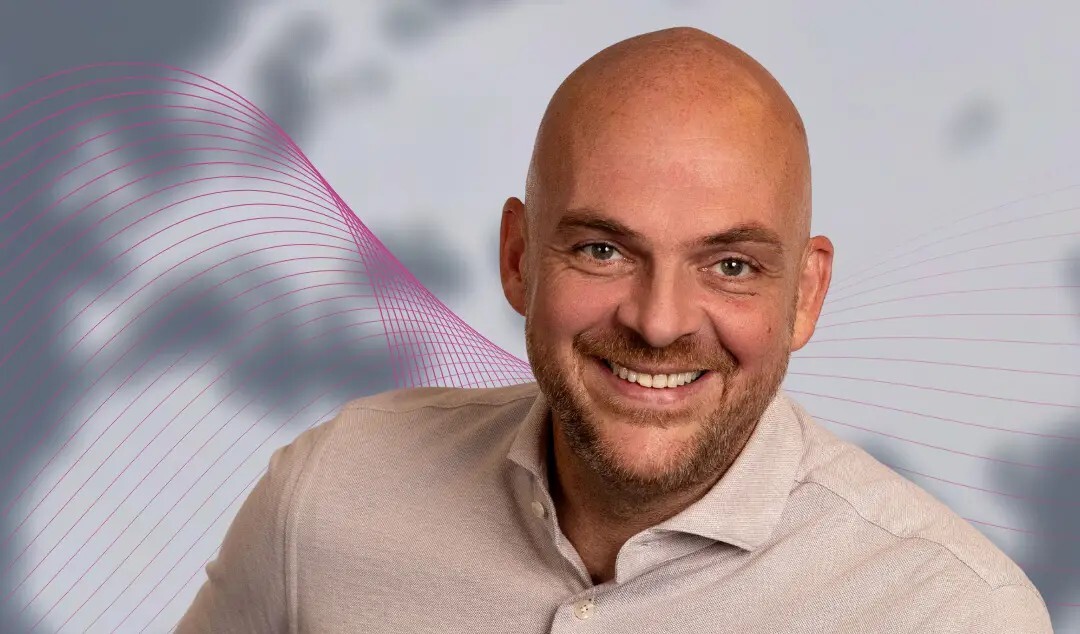
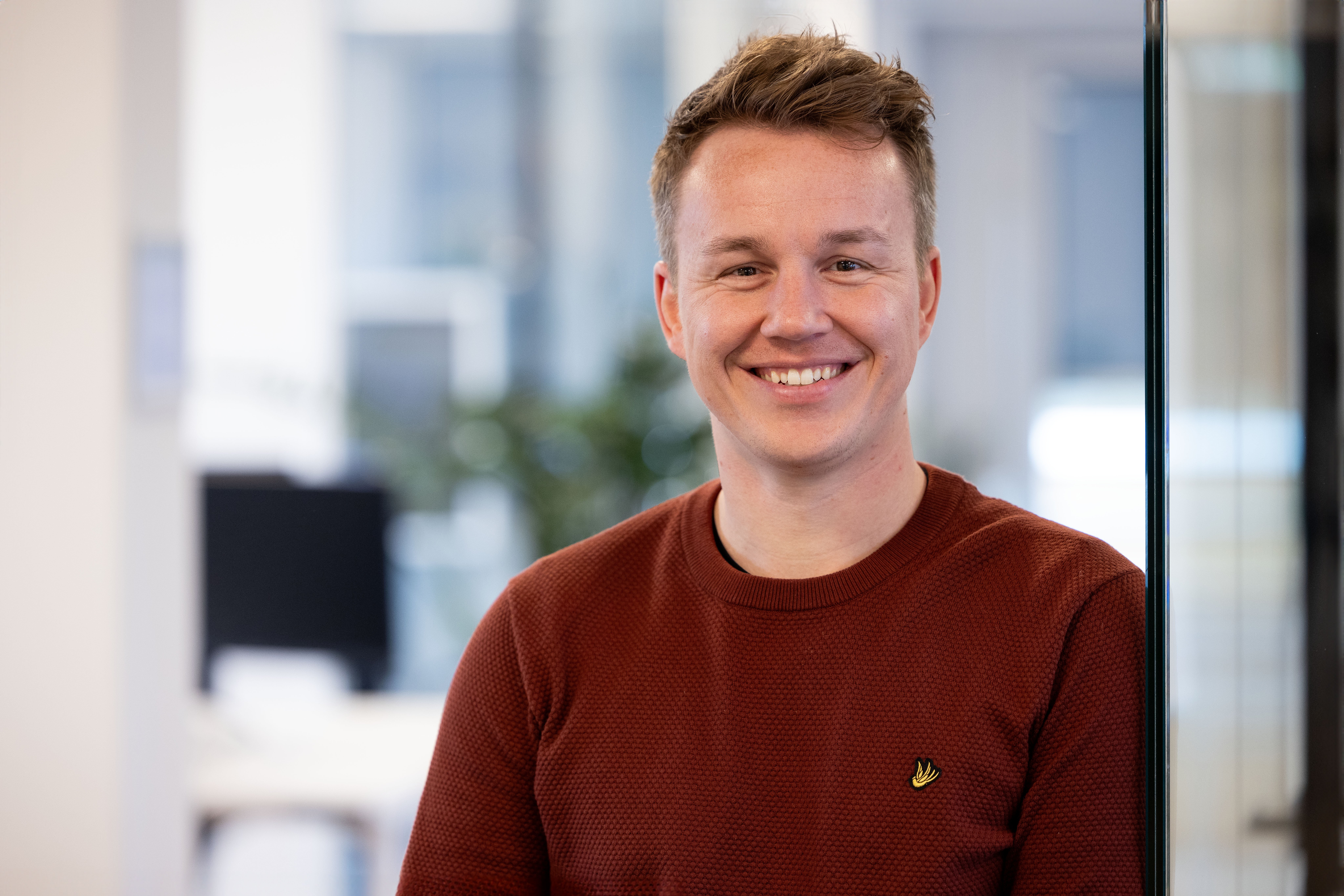
Bald man looking at the camera.

Adding value

It seems logical: in a globalised economy, you also engage international IT professionals — especially if it saves money. “Many market players look at near‑ and offshoring from that angle. They often deploy juniors from different countries without considering the client’s level of maturity or culture. That usually only works in the short term.”

“We deliberately take a different approach,” Dennis explains. “Offshoring is people‑work. When hiring for our offices in Portugal and South Africa, we always conduct a double interview. First, candidates are screened by the local team. Then they meet with Dutch or German colleagues. That way, you can be sure someone truly matches the team and the client’s culture,” Dennis says. “It’s how we ensure we offer professionals who genuinely add value.”

We look at technical skills and personality.
Dennis Bruijns director Conclusion OneShore

Continuity and personality

OneShore selects professionals who thrive in environments where you switch between countries and cultures every day. Dennis: “We consider technical skills, of course, but we place at least as much emphasis on personality. We seek people who are curious about different ways of working and who see diversity as a strength.”

Through careful matching and profiling, OneShore lays the groundwork for continuity early on. “Juniors and recent graduates bring energy and enthusiasm, but they also introduce turnover and unrest. That’s why we choose experienced professionals. Senior consultants offer stability and need far less onboarding time.”

One team, one shore

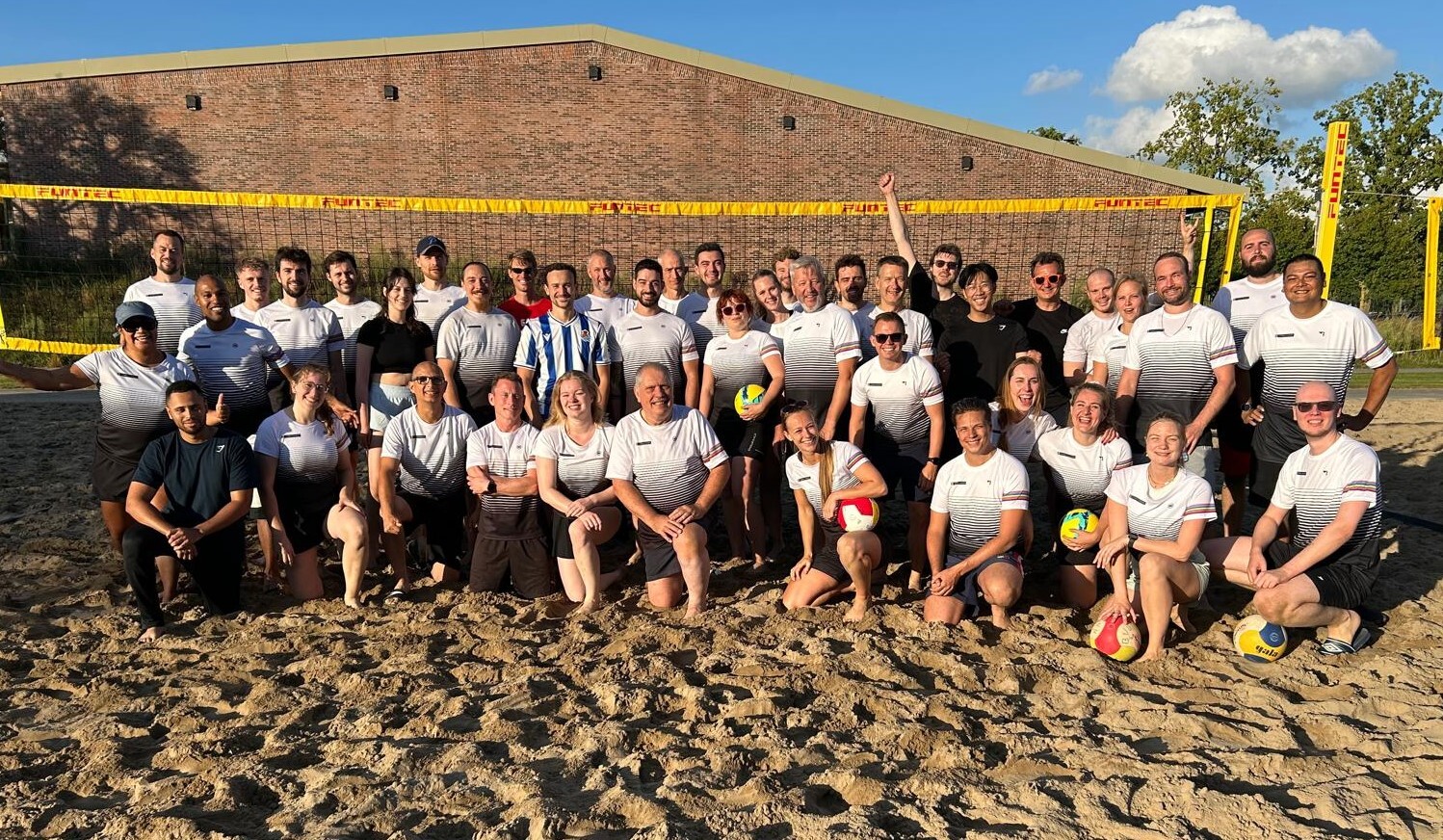
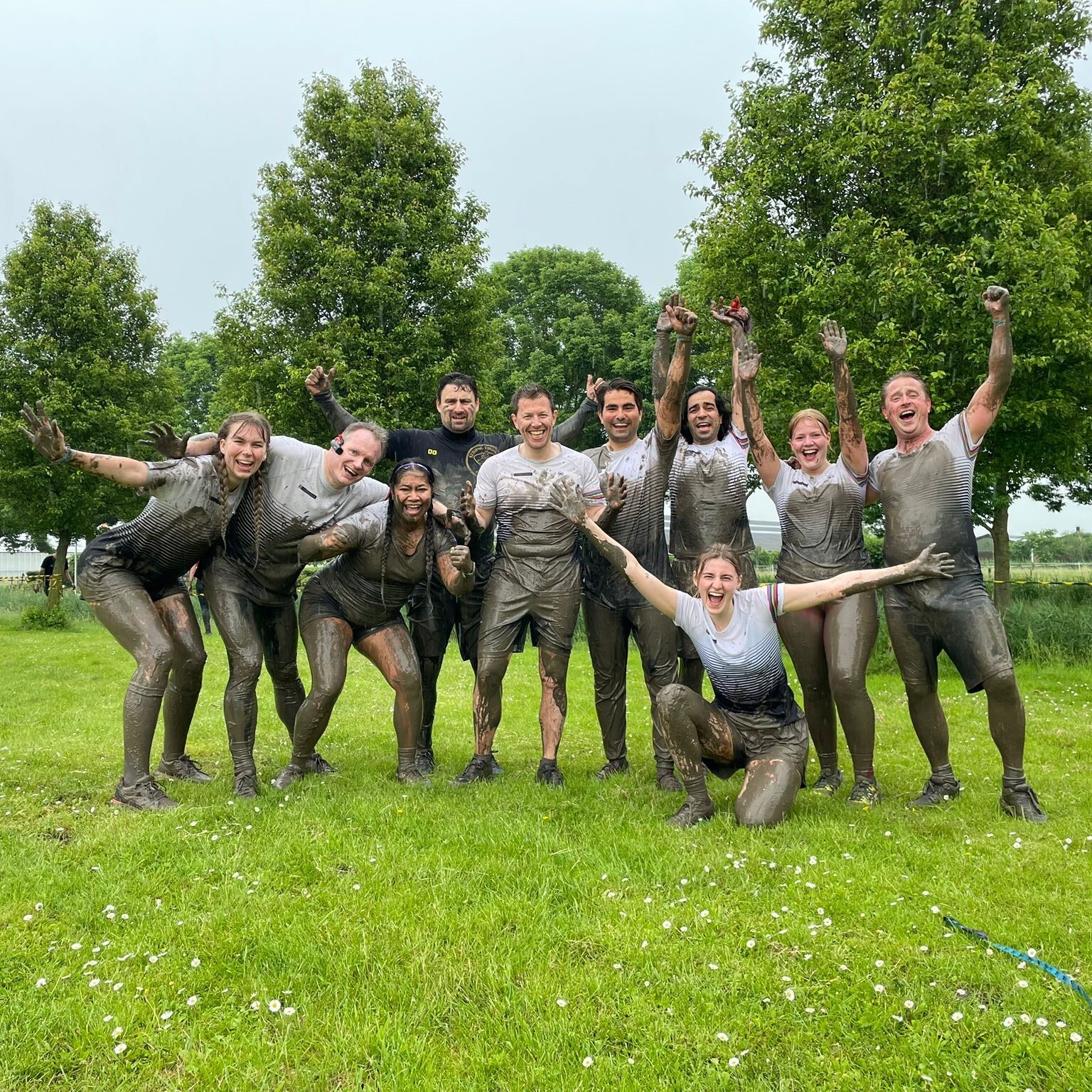
To strengthen team cohesion, OneShore regularly organises in‑person meet‑ups. “We bring colleagues from different countries together so they can truly get to know one another. It’s how we give meaning to our motto ‘one team, one shore’. People become more motivated to collaborate constructively and long‑term.”

And that is exactly what organisations want, Dennis adds. “Our clients prefer familiar faces. They want to rely on the same consultant from South Africa or Portugal. And that is precisely what we provide.”

Diversity makes teams stronger

Dennis Bruijns director Conclusion OneShore

Saving costs

OneShore does not work with a one‑size‑fits‑all approach. “Sometimes a client asks for specific role profiles. Then we recruit accordingly. Or they want lead consultants abroad who speak Dutch — and we can make that happen too.”

Cost savings and securing capacity are often reasons to look across borders. “We achieve significant savings for our clients, but that is not our primary goal. What matters most is the quality of service. No additional incidents, no unexpected departures — that’s what it’s really about.”

Specific needs

OneShore offers “the ultimate mix” of onshore, nearshore and offshore. What does that mean? Dennis: “Dutch or German consultants remain close to the client, while our teams in Portugal and South Africa provide additional capacity and specialist expertise. We never shift the entire point of contact abroad. Staying close to the client is essential.” Each team is tailored precisely to the client’s needs. “That’s what we stand for: placing the right people in the right roles.”

Cultural differences as an opportunity

Offshoring is often associated with challenges arising from cultural differences. “But it also creates opportunities,” Dennis says. “We see differences in working styles. A Portuguese professional is generally more risk‑averse than a Dutch colleague. That may appear slow, but it leads to fewer mistakes. In practice, it’s often more effective.”

Another example: “South Africans and Portuguese colleagues tend to be more hierarchical and may not always say directly what they think. If you don’t take that into account, you miss signals. But if you make it discussable, it becomes a strength. You learn to listen better and align work more explicitly. Diversity makes teams stronger.”

Successful cross‑cultural collaboration also requires understanding each other’s habits. “Portuguese colleagues often spend more time on social talk before getting down to business. Dutch people are more direct. If you know that, you can collaborate comfortably and effectively.”

“Connection, in‑person contact and mutual understanding come first.”
Dennis Bruijns director Conclusion OneShore

Strengthening team connection

OneShore offers Dutch‑language training to colleagues abroad. “Some consultants learn the basics of Dutch so they can follow meetings. It’s practical, but it also helps them feel more valued. And that matters to us, because we appreciate the role they play in the team.”

“Our philosophy is built on people,” Dennis concludes. “Effective offshoring is about finding the perfect balance between talent, culture and personality. We invest in relationship‑building, face‑to‑face interaction and mutual understanding. That makes our approach fundamentally different from what’s common in the market.”

Use the arrow buttons to navigate through the images. Press Enter or Space to activate the buttons.